In the fast-paced, hyper-connected world of 2026, the allure of the wilderness has never been stronger. As our lives become increasingly dominated by screens, high-speed notifications, and urban congestion, the simple act of pitching a tent under a canopy of stars offers a profound sense of relief. Camping is more than just an outdoor activity; it is a primal reset for the human spirit. It allows us to synchronize our internal clocks with the rising and setting of the sun and to replace the hum of machinery with the rustle of leaves and the crackle of a campfire.
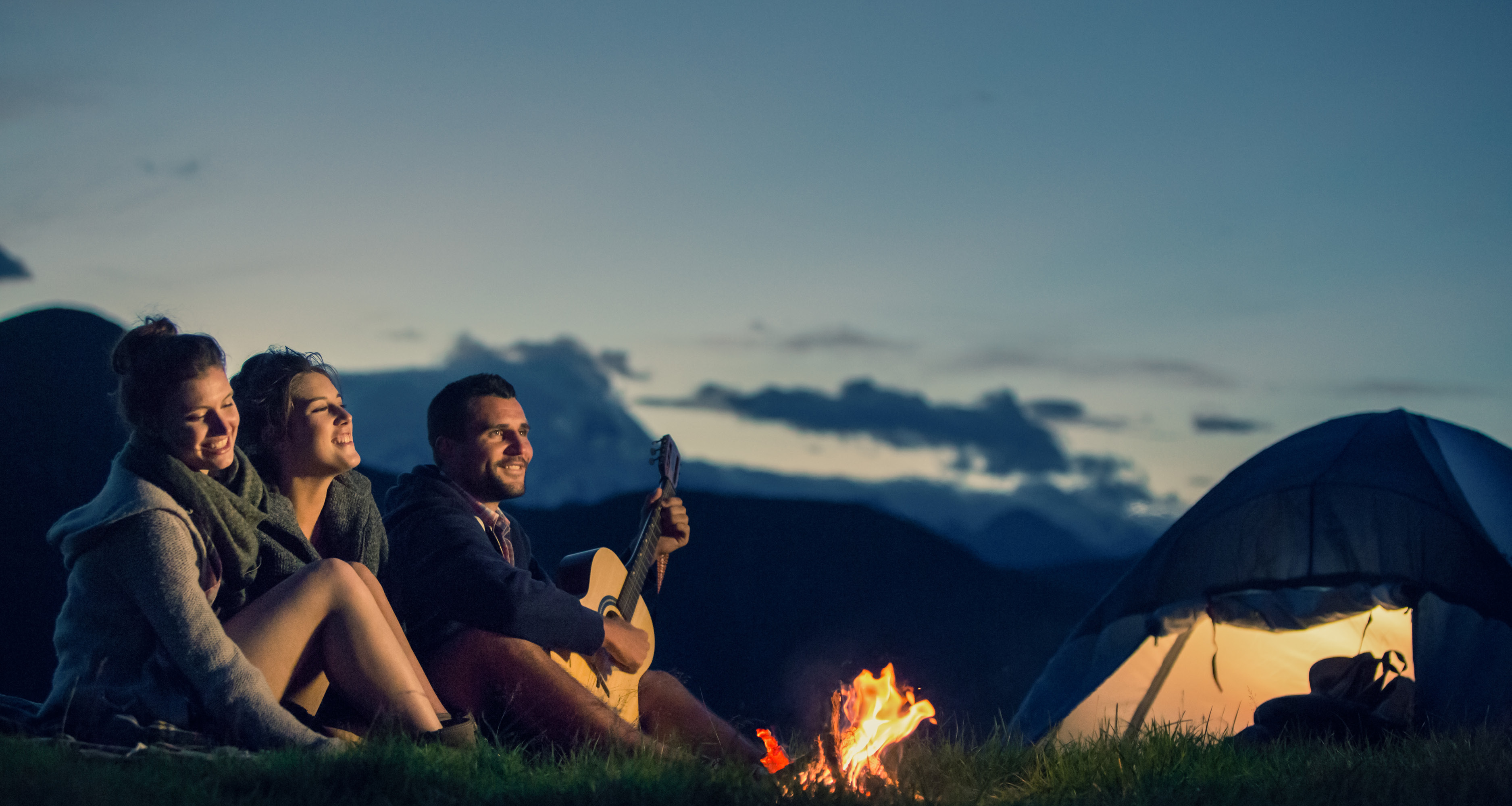
However, for many, the idea of camping brings to mind images of shivering in the rain, struggling with complex equipment, or enduring uncomfortable nights on the hard ground. The secret to a truly relaxing camping trip lies in the balance between preparation and presence. By following a few strategic steps, you can transform a basic outdoor excursion into a luxurious, soul-soothing retreat.
Choosing the Right Environment for Your Needs
The foundation of a relaxing trip starts long before you leave your driveway. Not all campsites are created equal, and choosing one that aligns with your desired level of “ruggedness” is crucial.
In the current travel landscape, we see a spectrum of options. “Front-country” camping—accessible by car and often featuring amenities like potable water, fire rings, and even showers—is perfect for those who want to enjoy nature without sacrificing basic comforts. On the other hand, “backcountry” camping offers total solitude but requires a higher level of physical fitness and self-sufficiency.
When selecting your spot, consider the geography. A site near running water, such as a stream or river, provides a natural “white noise” that can significantly improve the quality of your sleep. Additionally, look for a site with natural shade; waking up to a tent that has been turned into a sauna by the morning sun is a quick way to ruin a relaxing start to the day.
Investing in Sleep: The Key to Outdoor Joy
The most common complaint among novice campers is poor sleep. It is difficult to appreciate a sunrise if you spent the night tossing and turning on a cold, uneven surface. To ensure relaxation, you must prioritize your sleep system.
Forget the thin, inflatable mats of the past. Modern camping technology has introduced high-R-value sleeping pads that provide both insulation from the cold ground and significant cushioning. If you are car camping, don’t be afraid to bring your favorite pillow from home. The familiar scent and feel can help your brain transition into a restful state more quickly in a new environment.
Furthermore, consider the “tent footprint.” Always clear the ground of rocks, sticks, and pinecones before laying down your tent. A flat, clear surface is the difference between waking up refreshed and waking up with a sore back.
Culinary Comforts: Elevating the Campsite Kitchen
Eating well is a cornerstone of relaxation. While there is a certain charm to traditional freeze-dried meals, a truly relaxing trip involves fresh, delicious food. The trick is to do the “heavy lifting” in your kitchen at home before you depart.
Pre-chop your vegetables, marinate your meats, and crack your eggs into a reusable container. By doing the prep work at home, you minimize the mess at the campsite and turn cooking into a leisure activity rather than a chore.
In 2026, we are also seeing a rise in “open-fire gourmet” cooking. Instead of just hot dogs, consider foil-packet meals like salmon with lemon and asparagus, or even a slow-cooked stew in a cast-iron Dutch oven. There is something deeply satisfying about the ritual of preparing food over a real flame, and the slow pace of outdoor cooking encourages conversation and mindfulness.
The Art of the Digital Detox
The primary goal of heading into nature is to disconnect. However, the habit of reaching for a phone to check emails or scroll through social media is deeply ingrained. To truly relax, you must be intentional about your digital boundaries.
If your campsite has a signal, consider putting your phone on “Airplane Mode” and only using it as a camera. If you are worried about safety, many modern devices allow you to set “Emergency Bypass” for specific contacts while silencing everything else. By removing the digital noise, you allow your “directed attention” to rest. This makes room for “soft fascination”—a state where you are effortlessly observing the patterns of the clouds or the movement of a beetle across a log. This mental shift is where true rejuvenation happens.
Leave No Trace: Protecting Your Sanctuary
A relaxing environment is a clean environment. The “Leave No Trace” principles are not just about environmental ethics; they are about maintaining the aesthetic and spiritual integrity of the wilderness for everyone.
Pack out everything you pack in. Use biodegradable soap for your dishes and stay at least 200 feet away from water sources when cleaning. When you leave a campsite in better condition than you found it, you contribute to a global culture of respect and preservation. There is a quiet, moral satisfaction in knowing that your presence did not harm the sanctuary that provided you with peace.
Conclusion
Enjoying nature and finding relaxation through camping is a skill that improves with every trip. It is about realizing that you don’t need to suffer to be “authentic.” By choosing the right location, investing in a high-quality sleep setup, preparing delicious meals, and strictly guarding your digital downtime, you create a space where the stress of modern life simply cannot follow.
Nature has a remarkable ability to heal the mind and body, provided we give it the chance to speak. The next time you feel the weight of the world becoming too heavy, grab your gear, find a quiet corner of the forest, and let the simplicity of life under the stars remind you of what truly matters. Camping isn’t just about sleeping in a tent; it’s about waking up to yourself.