For many, fishing is a relaxing pastime spent by the water’s edge with a simple rod and a bit of bait. However, for the dedicated angler, the pursuit of a “trophy” or a “big fish” is a different game entirely. It is a pursuit that demands a blend of biological understanding, technical precision, and an almost meditative level of patience. Catching a large, mature fish is not a matter of luck; it is the result of a strategy that accounts for the predator’s habits, the environment’s variables, and the quality of your gear.
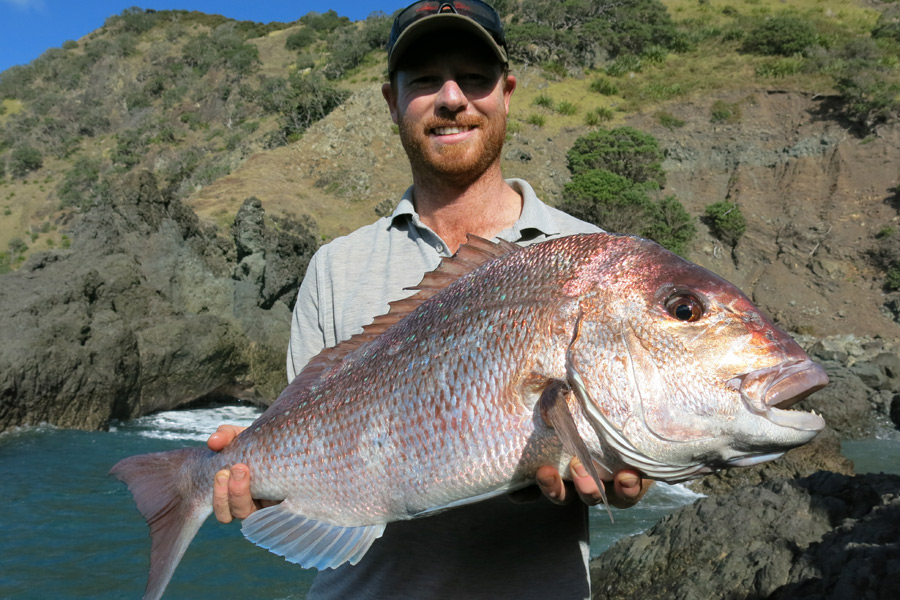
Whether you are targeting a massive largemouth bass in a freshwater lake or a powerful saltwater species in the deep blue, the principles of big-game angling remain consistent. To land the catch of a lifetime, you must stop thinking like a fisherman and start thinking like the fish you are chasing. This article explores the essential pillars of successful trophy fishing.
Understanding the Apex Mindset: Habitat and Behavior
The biggest fish in any body of water did not get that size by being reckless. They are often older, more cautious, and highly efficient in their energy expenditure. To catch them, you must understand their “holding patterns” and “feeding windows.”
Big fish rarely hang out in the same places as smaller ones. While juvenile fish might school in open water or shallow flats where they are vulnerable, trophy fish seek out “prime real estate.” This usually means heavy cover or significant structural changes. Look for deep drop-offs, submerged timber, large rock piles, or “edges” where two types of environments meet—such as a weed line bordering a deep channel.
Furthermore, big fish are opportunistic. They prefer to eat one large meal rather than chasing dozens of tiny ones. This means timing is everything. Most trophy fish are more active during “low light” periods—dawn, dusk, and even the middle of the night—when they can use their superior senses to ambush prey that cannot see them coming.
The Gear Factor: Strength Without sacrificing Stealth
One of the most common mistakes anglers make when chasing big fish is using gear that is either too light to handle the fight or too heavy to hide from the fish’s keen senses. Achieving the perfect balance is a technical art.
1. Line Selection and Leader Logic
If you are hunting for a big fish, your line is your only connection to that dream. Braided lines are popular for their strength and lack of stretch, which provides excellent hook-setting power. However, big fish are often “line shy.” Using a high-quality fluorocarbon leader is essential. Fluorocarbon has a refractive index nearly identical to water, making it virtually invisible. This allows you to use a stronger line without alerting the fish to the presence of your terminal tackle.
2. Rod and Reel Integrity
A big fish will exploit any weakness in your equipment. Ensure your reel has a smooth, high-quality drag system. When a large fish makes a powerful run, a “jerky” or “sticky” drag will snap your line instantly. Your rod should have enough “backbone” to pull the fish away from snags and cover, but a sensitive enough tip to detect the subtle “thump” of a large predator inhaling your bait.
Bait and Lure Selection: Match the Hatch, but Make it Count
The old adage “big bait, big fish” holds a significant amount of truth. Mature predators are looking for a high-calorie reward for their efforts. If you are using tiny lures, you will likely be pestered by smaller fish before the trophy has a chance to see your offering.
However, size isn’t the only factor; realism is key. “Matching the hatch” means observing the local forage—whether it is shad, crawfish, perch, or squid—and choosing a lure that mimics the color, shape, and swimming action of that prey. In 2026, we have seen incredible advancements in swimbait technology. Modern multi-jointed lures can swim with a hyper-realistic “S-curve” that is almost indistinguishable from a real fish.
If you prefer live bait, ensure it is the best specimen available. A large, lively, and distressed baitfish sends out vibrations that act like a dinner bell for a large predator.
The Critical Moment: The Hookset and the Fight
When the moment finally arrives and you feel that heavy weight on your line, adrenaline can be your worst enemy. Many big fish are lost in the first five seconds due to an improper hookset or a panicked reaction.
For big fish, you often need a “firm” rather than a “violent” hookset. If you are using circle hooks, you simply need to apply steady pressure as the fish turns. Once the hook is set, the fight becomes a game of physics and patience. Keep your rod tip up and let the rod’s flex do the work of absorbing the fish’s lunges. Never try to “winch” a big fish in; instead, use the “pump and reel” technique—pulling the rod back to move the fish toward you, then reeling in the slack as you lower the rod.
Ethical Angling: The Importance of Catch and Release
If you are fortunate enough to catch a true trophy, the decision to keep or release it is a significant one. In many ecosystems, the largest fish are the most successful spawners. They carry the genetics that allow the population to thrive.
In 2026, “Catch, Photo, Release” (CPR) has become the gold standard for trophy angling. To ensure the fish survives the encounter, keep it in the water as much as possible, use a rubberized net to protect its slime coat, and avoid vertical holds that can damage its internal organs. Taking a quick photo and watching that massive shadow disappear back into the depths is a reward far greater than any wall mount.
Conclusion
Catching your next big fish is a journey of education and execution. It requires you to study the water, upgrade your technical skills, and respect the animal you are pursuing. There are no shortcuts to trophy fishing; it is the accumulation of small, correct decisions that eventually leads to that one heart-stopping moment when the water erupts and you realize you’ve hooked something legendary.
Stay persistent, keep your hooks sharp, and remember that every “failed” trip is actually a data-gathering mission that brings you one step closer to the big one. The fish of a lifetime is out there right now—waiting for the right lure, the right time, and the right angler. With these strategies in hand, that angler could very well be you.