The world is a vast, intricate tapestry of landscapes, cultures, and stories waiting to be unraveled. In 2026, the concept of a “travel destination” has evolved beyond a mere point on a map. Today’s travelers are seeking more than just a change in scenery; they are looking for a change in perspective. Whether it is the pursuit of serenity in a remote mountain village or the electric pulse of a futuristic megacity, the destinations we choose define the chapters of our personal history.
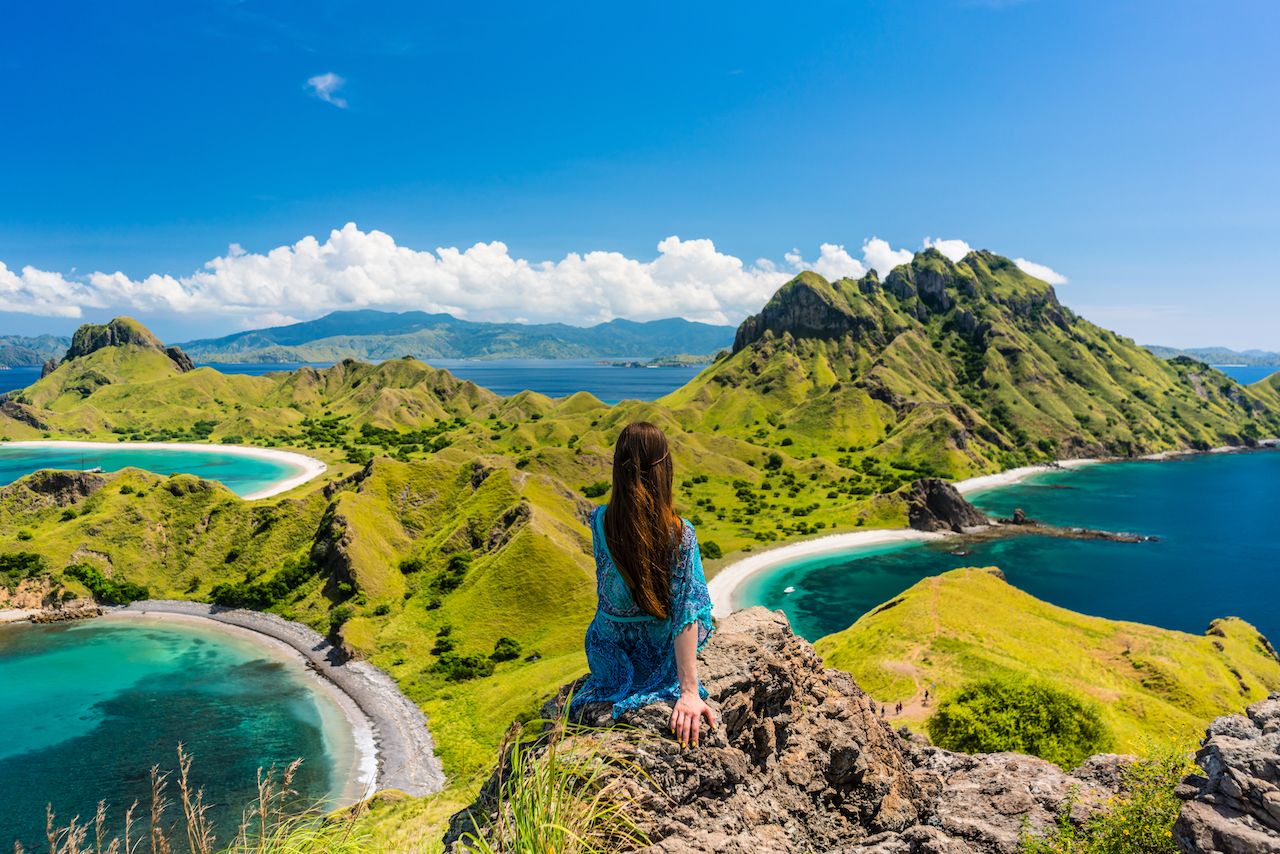
As global travel becomes more accessible and technology-driven, the true challenge lies in choosing the right path. This article explores the diverse categories of modern travel destinations, the rise of conscious exploration, and why certain corners of the globe continue to capture our collective imagination.
The Call of the Wild: Nature-Centric Destinations
In an increasingly digitized world, the urge to return to nature has never been stronger. Nature-centric destinations offer a “digital detox” that few other places can provide. From the rugged coastlines of the Faroe Islands to the lush, volcanic landscapes of East Java, these locations remind us of the raw power and beauty of the planet.
One of the standout trends in 2026 is the rise of “Extreme Geography” tourism. Travelers are flocking to destinations that offer unique geological features, such as the surreal salt flats of Salar de Uyuni in Bolivia or the bioluminescent bays of Puerto Rico. These spots are not just visually stunning; they provide an educational experience, teaching visitors about biodiversity and the delicate balance of our ecosystems. For the modern explorer, the destination is a classroom without walls, where every hiking trail and hidden waterfall is a lesson in resilience and wonder.
Urban Frontiers: The Evolution of the Global City
While nature calls to our primal instincts, the world’s great cities speak to our ambition and creativity. Modern urban destinations are no longer just hubs for shopping and business; they have become centers of cultural synthesis. Cities like Tokyo, Seoul, and Mexico City are leading the way in blending ancient traditions with hyper-modern technology.
The allure of the city destination in 2026 lies in its “micro-neighborhoods.” Instead of staying in the tourist-heavy city centers, savvy travelers are exploring the outskirts where local life thrives. Whether it is discovering an underground jazz club in a hidden alley of Osaka or visiting a community-run art gallery in East Berlin, these urban frontiers offer an authentic glimpse into the soul of a nation. The perfect city destination is one that challenges your assumptions and rewards your curiosity with a thousand small, unexpected moments.
The Rise of Conscious Travel and “Undiscovered” Gems
As we become more aware of our global footprint, the choice of destination is increasingly influenced by ethics and sustainability. “Overtourism” has led many travelers to seek out “Second-City” destinations—smaller, equally beautiful alternatives to famous capitals. Instead of Venice, travelers are looking toward the canals of Treviso; instead of Bali’s crowded beaches, they are exploring the pristine shores of Sumba.
Conscious travel is about more than just avoiding crowds; it is about ensuring that your visit benefits the local community. Destinations that prioritize eco-tourism and cultural preservation are becoming the top choice for the modern traveler. These “undiscovered” gems provide a sense of exclusivity and quietude that is hard to find in mainstream hotspots. By choosing a destination that is off the beaten path, you are not only finding a more peaceful experience but also helping to distribute the economic benefits of tourism more equitably across the globe.
Heritage and History: Walking Through Time
There is a unique magic in visiting a place where history feels tangible. Destinations with deep historical roots—such as the ancient temples of Angkor Wat, the ruins of Pompeii, or the majestic Borobudur—allow us to connect with the human story on a profound level.
In 2026, historical destinations are being enhanced by technology. Augmented reality (AR) apps now allow visitors to see ancient structures as they appeared in their prime, bridging the gap between archaeology and imagination. However, the true essence of a historical destination remains its atmosphere. The smell of old stone, the echo of footsteps in a cathedral, and the weight of centuries of human endeavor provide a grounding experience that no virtual reality can fully replicate. These places serve as a reminder of where we have been and, perhaps, where we are going.
The Psychological Impact of New Environments
Why do we travel? Beyond the photos and the souvenirs, the destination acts as a catalyst for personal growth. When we step into a new environment, our brains are forced out of “autopilot.” We must learn to navigate different languages, social norms, and physical terrains. This creates new neural pathways and increases our “openness to experience,” a key trait associated with creativity and emotional intelligence.
The “perfect” destination is often the one that pushes you slightly out of your comfort zone. Whether it is the sensory overload of a Moroccan spice market or the profound silence of the Icelandic highlands, these environments force us to be present. In a world that is constantly vying for our attention, the right travel destination gives us back the ability to simply be.
Conclusion
Destinations are more than just geographical coordinates; they are the stages upon which we perform the most adventurous versions of ourselves. As we look at the vast array of choices available in 2026, it is clear that the best travel destination is the one that aligns with your current internal journey.
Whether you seek the rejuvenating silence of nature, the vibrant complexity of an urban center, or the wisdom of an ancient heritage site, the world remains an inexhaustible source of inspiration. By traveling with intention, respecting local cultures, and remaining open to the unexpected, every destination becomes a transformative experience. The map is open, the paths are many, and the next great story of your life is waiting just beyond the horizon. The world is yours to explore—choose your next destination wisely, and let it change you for the better.