Bali remains one of the world’s most captivating travel destinations. Known as the Island of the Gods, this Indonesian paradise possesses a rare blend of volcanic landscapes, ancient spiritual traditions, world-class coastlines, and deeply rooted artistic communities. While many visitors flock to well-trodden resort enclaves, Bali’s true allure lies in its regional diversity.
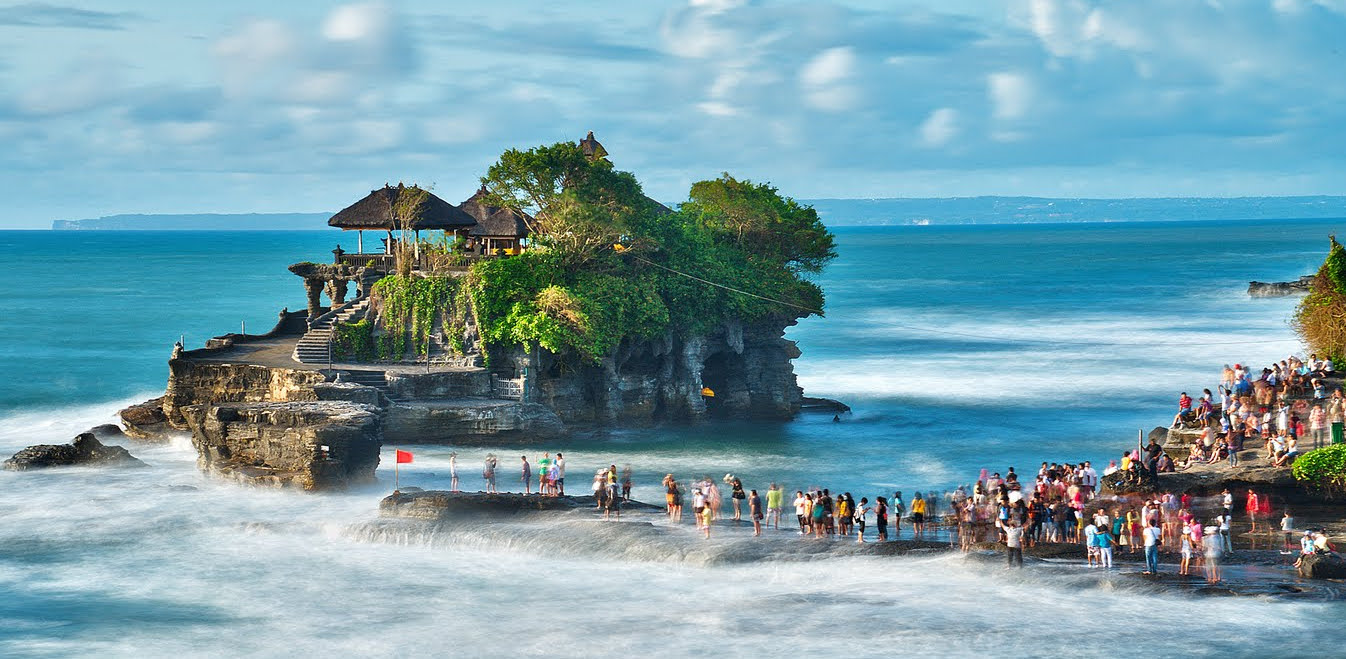
From misty highland forests and sprawling UNESCO-listed rice terraces to secluded coastal cliffs and peaceful eastern valleys, planning a vacation here allows for an endless variety of experiences. Selecting the right regions ensures your trip balances authentic cultural immersion with restorative relaxation.
1. The Cultural Heart: Ubud and the Central Highlands
Nestled away from the coastal surf breaks, central Bali serves as the island’s artistic and spiritual core. Surrounded by lush ravines and evergreen jungle, this region offers a slower, wellness-focused pace.
Cultural Immersion and Artisan Villages
- Artistic Heritage: The neighborhoods surrounding Ubud center, such as Penestanan and Mas, host generational woodcarvers, stone sculptors, and traditional painters opening their family compounds to curious travelers.
- Sacred Sanctuaries: Beyond the popular Ubud Monkey Forest, smaller spiritual sites like Pura Gunung Kawi Sebatu feature ancient water fountains surrounded by calm stone courtyards and koi ponds.
- Holistic Retreats: Central Bali has evolved into a global center for yoga, sound healing, and holistic spa treatments, where wellness centers overlook tranquil river valleys.
Exploring the UNESCO Landscapes
A short drive north of Ubud leads to the Jatiluwih Rice Terraces. Unlike smaller commercial photo stops, Jatiluwih spans over 600 hectares of stepped green fields using the traditional Subak communal irrigation system, offering peaceful trekking trails beneath Mount Batukaru.
2. The Southern Peninsula: Uluwatu and the Bukit Cliffs
At the southern tip of the island lies the Bukit Peninsula, a region defined by towering limestone cliffs, dramatic ocean panoramas, and world-renowned surf breaks.
Cliffside Temples and Sunset Vistas
- Uluwatu Temple (Pura Luhur Uluwatu): Perched 70 meters above the crashing Indian Ocean on a sheer cliff edge, this ancient sea temple hosts traditional sunset Kecak dance performances against an oceanic backdrop.
- Hidden Coves and White Sand Beaches: While the western coast attracts experienced surfers to spots like Suluban and Padang Padang, southern beaches like Melasti and Nyang Nyang offer fine white sand, turquoise waters, and quiet coastal stretches framed by coral cliffs.
3. The Authentic East: Sidemen Valley and Amed
For travelers seeking a glimpse of classic Bali away from urban development, the eastern regency of Karangasem delivers breathtaking scenery, quiet road trips, and rich maritime heritage.
The Serene Scenery of Sidemen
Located in the shadow of Mount Agung—Bali’s highest volcanic peak—Sidemen Valley features vast emerald rice fields, traditional songket weaving workshops, and peaceful rural hamlets. Walking through Sidemen feels like stepping back in time, where daily life follows the calm rhythms of village agriculture.
Marine Exploration in Amed
Further along the eastern coast, Amed consists of a series of peaceful fishing villages famous for black sand beaches and crystal-clear waters. It is one of Bali’s premier destinations for scuba diving and snorkeling, featuring coral reefs, historical shipwrecks, and traditional jukung outrigger boats lining the shore.
4. The Cool North: Munduk and the Bedugul Lakes
Ascending into the northern mountains reveals a cooler alpine climate characterized by crater lakes, coffee plantations, and cascading waterfalls.
Highlights of the Northern Highlands
- Munduk Waterfall Trails: The mist-shrouded village of Munduk serves as an ideal base for trekking through clove, cocoa, and coffee plantations to reach secluded natural waterfalls like Melanting and Sekumpul.
- Lake Beratan and Floating Temples: Situated on the shores of Lake Beratan in Bedugul, Pura Ulun Danu Beratan appears to float on the lake surface when water levels rise, creating one of the island’s most iconic views framed by mountain peaks.
Practical Travel Strategies for a Balanced Trip
Because traffic between regions can be dense, thoughtful planning ensures a smooth and restful itinerary.
- Split Your Stay: Avoid staying in a single hotel for the entire trip. Allocate 3 to 4 days in the coastal south (Uluwatu or Sanur) followed by 3 to 4 days in the central or northern highlands (Ubud, Sidemen, or Munduk).
- Respect Local Customs: When visiting sacred temples, wear modest clothing (covering shoulders and knees) or wrap a traditional sarong and sash around your waist. Always step around, rather than over, daily street offerings (canang sari).
- Choose the Best Travel Window: Bali experiences a tropical dry season from April to October, making these months ideal for beach outings, highland hikes, and outdoor touring.
Conclusion
Bali is far more than a simple beach getaway; it is a multifaceted island of contrasting landscapes, living cultures, and natural marvels. Whether you choose to trek through the mountain mist of Munduk, observe ancient rituals in historic temples, watch sunsets from Uluwatu’s soaring limestone cliffs, or relax in the peaceful valleys of Sidemen, the island caters to every travel style. By exploring beyond single tourist hubs and engaging with regional traditions, your journey across Bali will leave you with deeply authentic and unforgettable memories.
Would you like me to tailor a day-by-day itinerary or suggest specific boutique resorts and eco-lodges for your preferred regions in Bali?