For decades, ocean cruising was often viewed as a rigid vacation option reserved for retirees or rigid, structured tours. Today, the cruise industry has undergone a complete transformation. Modern cruise ships have evolved into mobile, self-contained resort destinations that offer an unprecedented blend of convenience, multi-destination exploration, and curated onboard entertainment.
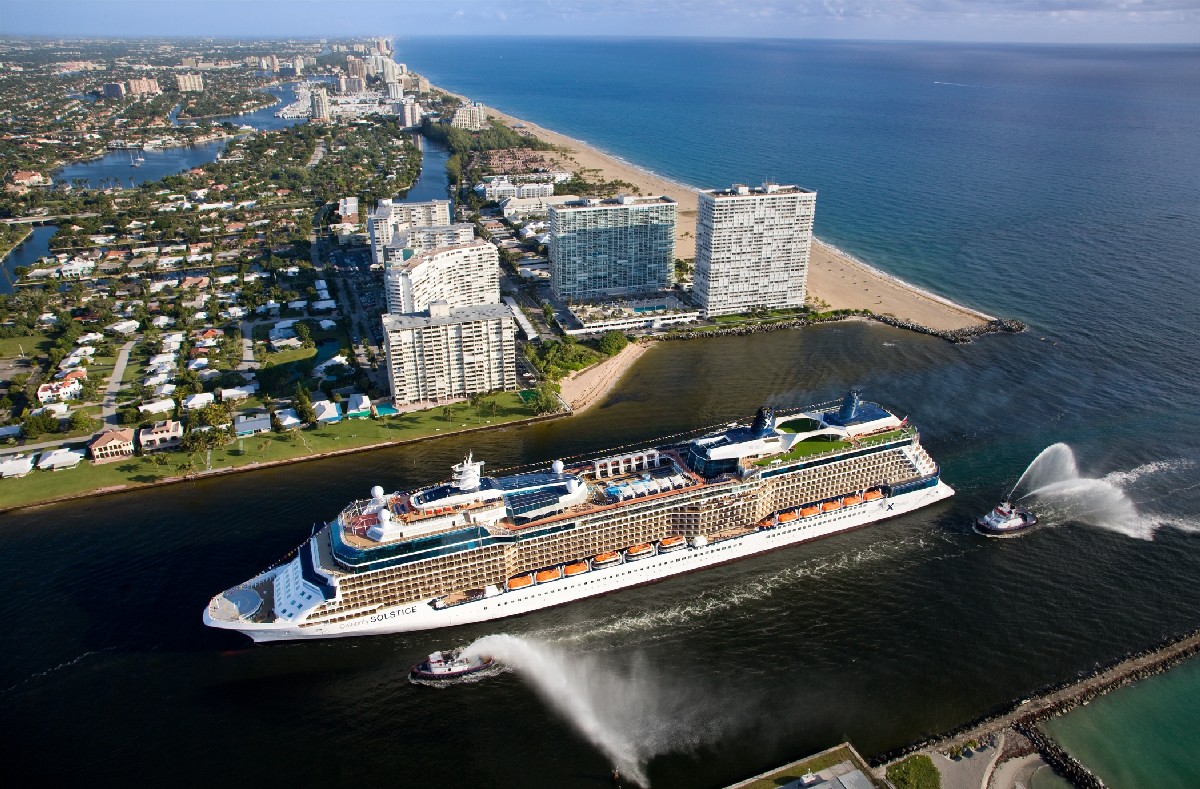
Whether you are navigating the glacial fjords of Alaska, hopping between sunny Caribbean islands, or discovering ancient Mediterranean port towns, a cruise ship holiday provides a unique way to see the world. It eliminates the logistical friction of constant packing, airport transfers, and hotel check-ins while keeping you immersed in comfort throughout your voyage.
The Evolving Landscape of Ocean Cruising
One of the biggest misconceptions about cruise holidays is that every ship offers the same experience. In reality, the modern cruising landscape is highly specialized, catering to very specific travel preferences, age demographics, and budget levels.
Contemporary Resort Ships
These are the floating cities designed for high-energy travel, family vacations, and active entertainment. Featuring amenities such as indoor skydiving simulators, full-scale Broadway productions, multi-story water parks, and dozens of specialty dining venues, mega-ships ensure that sea days are just as engaging as port days.
Mid-Sized and Premium Liners
For travelers seeking a more relaxed environment focused on culinary arts, enrichment lectures, and refined spaces, premium mid-sized ships offer an ideal balance. These vessels can often access smaller ports that massive mega-ships cannot enter, providing a quieter, destination-focused atmosphere.
Expedition Vessels
Built for adventure seekers, expedition ships feature ice-strengthened hulls and specialized teams of naturalists, marine biologists, and historians. Designed for remote regions like Antarctica, the Arctic, or the Galapagos Islands, these cruises prioritize active wildlife viewing and off-grid exploration over onboard entertainment.
Why a Cruise Holiday Stands Out from Traditional Land Travel
While land-based resort stays and self-planned road trips have their appeal, ocean cruises offer several structural advantages that make them particularly efficient and enjoyable.
Effortless Multi-Destination Travel
The primary advantage of a cruise holiday is the ability to fall asleep in one city or country and wake up in another. You unpack your suitcase just once, avoiding the stress of catching regional flights, hauling luggage between hotels, or managing unfamiliar highway transport.
Inclusive Value and Predictable Budgeting
Most standard cruise fares cover your accommodation, primary dining, shipboard entertainment, and transportation between ports. While specialty dining, spa treatments, and shore excursions incur extra costs, the baseline cost of a cruise often delivers superior value compared to paying individually for land-based hotels, dining, and daily entertainment.
Culinary Variety and Flexibility
Modern cruise lines have moved far beyond basic buffet lines. Today’s vessels feature partnership menus with world-renowned chefs, regional farm-to-table dining inspired by current ports of call, and options catering to diverse dietary needs, including vegan, gluten-free, and halal choices.
How to Choose the Right Itinerary for Your Style
Selecting the right region and sailing length is crucial to ensuring your vacation meets expectations. Match your goals with these popular cruise regions:
- The Caribbean and Bahamas: Best for relaxation, warm water sports, and beach lovers. Short 3- to 7-night itineraries make this region accessible for first-time cruisers and families.
- The Mediterranean: Ideal for culture and history enthusiasts. Stops in cities like Barcelona, Rome, Athens, and Dubrovnik allow you to explore ancient ruins, coastal villages, and world-class museums in a single trip.
- Alaska and Northern Europe: Geared toward nature lovers. These itineraries highlight dramatic landscapes, glaciers, fjord systems, and coastal wildlife.
- Transatlantic and Position Repositioning Voyages: Tailor-made for travelers who love the relaxing rhythm of consecutive sea days, offering longer travel windows at competitive price points.
Smart Strategies for First-Time Cruisers
To make the most of your voyage and avoid common pitfalls, keep these practical tips in mind during the planning phase:
- Arrive at the Departure City early: Always fly into your embarkation port at least one day before the ship sets sail. Flight delays or lost luggage can cause you to miss the ship’s departure, as cruise lines operate on strict port clearance schedules.
- Book Shore Excursions in Advance: Popular port activities—such as helicopter glacier tours, private vineyard tastings, or guided historic site visits—fill up quickly. Reserve priority tours well ahead of your departure date.
- Pack a First-Day Carry-On Bag: When you check your main luggage at the terminal, it may take a few hours to reach your stateroom. Keep essential items, such as medications, travel documents, swimwear, and a change of clothes, in a small carry-on bag so you can enjoy the ship immediately upon embarkation.
Conclusion
A cruise ship holiday represents one of the most versatile, stress-free ways to explore the globe. By combining destination variety with onboard comfort, modern cruises remove the logistical headaches often associated with multi-city travel. Whether you seek high-octane family fun, immersive historical exploration, or simple relaxation on the open ocean, selecting the right ship and itinerary guarantees a journey that is smooth, memorable, and uniquely tailored to your travel style.
Would you like assistance in choosing a specific cruise line, route, or budgeting strategy for your next trip?